Understanding the psychological triggers that influence gambling behavior
The Role of Emotional State in Gambling Decisions
Emotions play a significant role in gambling behavior. Many gamblers are influenced by their current emotional state, which can dictate their decision-making processes. For instance, individuals experiencing stress or anxiety may seek solace in gambling as a form of escape, leading to impulsive betting. This emotional connection can create a cycle of gambling behavior, where the act itself temporarily alleviates negative feelings, reinforcing the behavior even further. By exploring non gamstop casinos, players can find alternative ways to engage in gaming that may align better with their emotional needs.

Conversely, positive emotions such as excitement or euphoria can also trigger gambling behavior. Players may be more likely to engage in betting when they feel elated, often believing that their good mood will translate into good luck. This association between emotions and gambling actions can lead to increased risk-taking, as individuals chase the thrill of their elevated mood.
The Influence of Cognitive Biases
Cognitive biases significantly impact how individuals perceive gambling outcomes. For example, the illusion of control leads many players to believe they can influence random events, such as in games of chance. This misperception can drive them to gamble more frequently, reinforcing the idea that they have a winning strategy, even when the odds are stacked against them.
Additionally, the availability heuristic plays a role in gambling decisions. When players recall recent wins or stories of significant payouts, they are more likely to engage in gambling, believing they have a better chance of winning than they actually do. This distortion in judgment can lead to repeated gambling behavior, despite potential financial harm.
The Impact of Social and Environmental Factors
The social context in which gambling occurs can greatly influence behavior. Friends or family members who engage in gambling can create a supportive environment that normalizes the activity. This social acceptance can encourage individuals to participate in gambling, often without considering the potential risks involved.
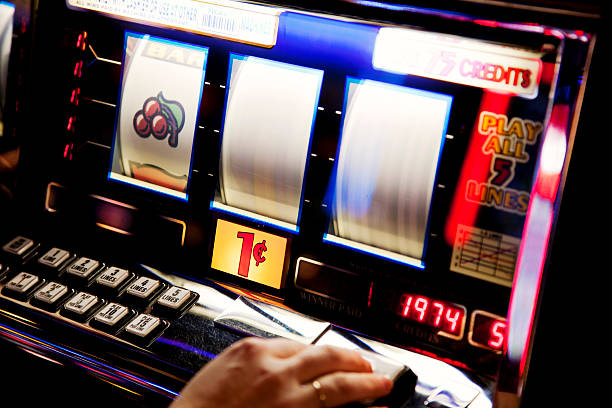
Furthermore, the environment of a casino or betting venue is designed to stimulate and entice players. Features such as bright lights, sounds of winning, and easy access to alcohol can heighten the emotional experience of gambling, leading to increased time and money spent. This carefully curated atmosphere exploits psychological triggers that can influence decision-making in significant ways.
The Role of Reward Systems in Gambling Behavior
Gambling activates the brain’s reward system in a manner similar to substance addiction. The release of dopamine during a win creates feelings of pleasure and reinforces the behavior, encouraging individuals to gamble again. This neurological response can create a powerful feedback loop, where the thrill of winning leads to repeated gambling attempts, despite the risks of losing.
Moreover, the intermittent rewards that come with gambling—where wins are sporadic but highly impactful—can further entrench this behavior. Players are often motivated by the memory of past wins, leading them to believe that another win is just around the corner. This anticipation of reward keeps individuals engaged in gambling, even when their previous experiences have led to losses.
Exploring Alternatives to Traditional Gambling Platforms
If you’re seeking a gaming experience that aligns with your preferences while ensuring safety and fairness, explore non-GamStop casinos. These platforms offer a variety of games and betting options without the restrictions commonly found in traditional casinos. Players can enjoy a more flexible gaming environment that caters to diverse interests.
These curated casinos provide exciting alternatives, including attractive promotions and cryptocurrency payment options. With features like instant withdrawals and robust customer support, users can immerse themselves in a gaming experience tailored to their needs, all while remaining aware of the psychological triggers that influence their gambling behavior.